Posts

Showing posts with the label Safari

A Day in the Life of a Ranger at Makini Bush Camp

Image
Ever wondered what it’s really like to live and work in the wild? At Makini, our rangers are more than guides, they’re storytellers, naturalists, photographers, and the steady companion by your side throughout your stay. This is what a day in their boots looks like. From the moment you arrive, your ranger is there for you. They’ll walk you to your tent, answer your questions, and make sure you feel at home. After dark, they’ll guide you safely through camp. Behind the scenes, they’re keeping things running smoothly, but most of the time you’ll see them right beside you, sharing everything they know about the bush. And they really do know a lot. Every Makini ranger is trained to understand the wild inside out, such as  animal behavior, plant life, the rhythms of the forest. Some have personal passions too: one has been studying birds since he was a teenager, another knows every reptile in the park. Each brings their own expertise, but they all share the same passion, a genuine lov...

Why Visiting Yala National Park During the Low Season is a Must

Image
Yala National Park in Sri Lanka is one of the most famous wildlife destinations in the world. Known for its diverse ecosystems, abundant wildlife, and stunning landscapes, it’s a place that attracts tourists year-round. However, if you’re considering visiting during the low season, particularly in May and June, you're in for an even more unique and enriching experience. Here’s why the low season is the perfect time to explore Yala. Perfect Weather and Lush Greenery The months of May and June mark the transition between the monsoon rains and the dry season in Sri Lanka, making it an ideal time to visit Yala. The monsoon rains from January to April bring refreshing showers, transforming the park into a lush, green paradise. During May and June, the weather is usually pleasant, with cooler temperatures due to the recent rains. The landscape is vibrant, with an abundance of foliage and vibrant greenery that makes the park look like a lush jungle oasis. You’ll also find lakes and ponds ...

Unlocking the Hidden Treasures: Avoid These 5 Mistakes When Exploring Yala

Image
  Yala National Park, a wildlife paradise nestled in the heart of Sri Lanka, holds incredible treasures for nature enthusiasts. However, to make the most of your Yala experience, it's essential to avoid common pitfalls that may hinder your exploration. In this blog post, we delve into the top five mistakes visitors often make when venturing into Yala, providing insights and recommendations to ensure an unforgettable journey through this captivating wilderness. Having a Short Stay in Yala: Unveiling the True Gems One of the common mistakes is limiting your time in Yala. To fully immerse yourself in the park's wonders, it's recommended to spend at least two nights, or ideally three. Each block within Yala, such as Block 1 and Block 5, offers unique experiences and sightings. By allowing yourself ample time to relax, stretch your legs, and savor the weather, you create opportunities to uncover the park's hidden treasures and embrace its serene ambiance. Focusing Solely on ...

Prime Time To See Sloth Bears in Yala, Sri Lanka

Image
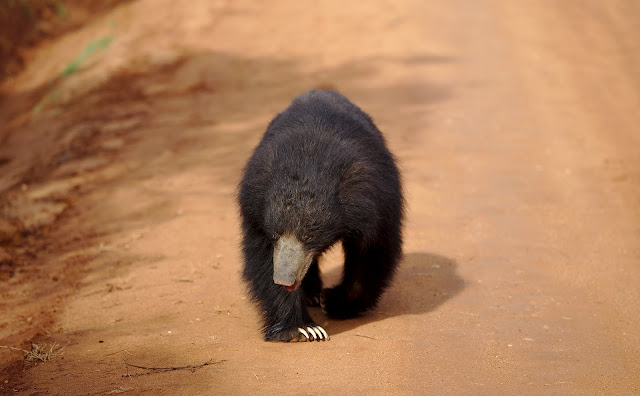
Yala homes the only bear species found in the Sri Lankan wilderness, the Sri Lankan sloth bear ( Melursus ursinus inornatus ) which is a subspecies of sloth bear that’s native to Sri Lanka. Sri Lankan sloth bear population is highly threatened and consider as critically endangered due to habitat loss. The current bear population in the wild is a little higher than 500. Yala national park provides ample opportunities to see and photograph the Sri Lankan sloth bear in its native wild habitats. But the best chances to see bears are either during the rainy season or during the Palu season. Sloth bears love to eat termites that live inside termite mounds. They have to break the tough solid structure to put its long mouth in and suck termites off the mound. After the rain, this becomes easier for bears as the mound gets soaked and weakens its structural integrity. If you’re visiting Yala, and want to see bears, your chances will increase if you go in the rainy season, however, that might not...

Sri Lanka’s Big5, that every nature lover must see

Image
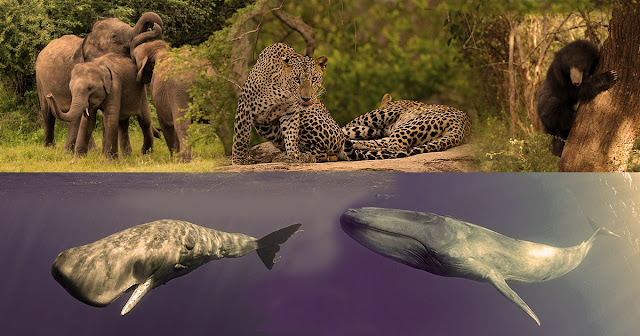
Last year Sri Lanka was recognized as the  “Best Safari Destination Outside of Africa”  by Forbes. At a time countries gradually lifting lockdowns and travelers eagerly searching for their first post-corona destination, we hope all wildlife and nature lovers will find this post timely and useful. In Africa, 'Big 5' means the animals that are most aggressive and difficult to hunt on foot, even though many think that it means the animals that are the highest in demand by visitors. Sri Lanka has it’s own 'Big 5' however, unlike in Africa the animals were chosen purely based on the popularity and demand by local and foreign visitors and it consists of both land and sea mammals. Namely, Sri Lanka’s Big5 is the Sri Lankan leopard, Sri Lankan elephant, Sri Lankan sloth bear, the blue whale, and the sperm whale. It’s truly miraculous that a small island paradise like Sri Lanka with an area of just over 65000 km² able to home the world's largest land and sea mammal...

Yala National Park: The best place in the world to see leopards in wild

Image
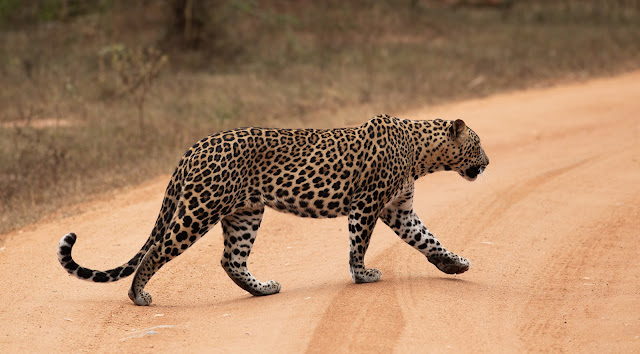
Yala national park is located in the southeast part of Sri Lanka boarding the Indian ocean. It’s an area of nearly 1000 square kilometers and primarily composed of forests, grasslands, lakes, and lagoons. Yala homes to many varieties of mammals, birds, reptiles, and other wildlife. Sri Lankan leopard, Sri Lankan elephant, Sri Lankan Sloth bear, many endemic bird species, snakes and pythons are among them. Yala is the best place in the world to spot leopards in natural habitats because of the high density. According to statistics, it is said that there are 18 leopards per 100 square kilometers in Yala, which is the highest in the world. And it’s not just the density that makes Yala the best place to see leopards. Leopards are known as nocturnal and they seldom come out during the day time. One main reason for this is, there are other predators like lions and tigers that hunt leopards, and scavengers like hyenas who steal food and night time give just enough safety and privacy for leopar...