Posts

Showing posts with the label Conservation

A Day in the Life of a Ranger at Makini Bush Camp

Image
Ever wondered what it’s really like to live and work in the wild? At Makini, our rangers are more than guides, they’re storytellers, naturalists, photographers, and the steady companion by your side throughout your stay. This is what a day in their boots looks like. From the moment you arrive, your ranger is there for you. They’ll walk you to your tent, answer your questions, and make sure you feel at home. After dark, they’ll guide you safely through camp. Behind the scenes, they’re keeping things running smoothly, but most of the time you’ll see them right beside you, sharing everything they know about the bush. And they really do know a lot. Every Makini ranger is trained to understand the wild inside out, such as  animal behavior, plant life, the rhythms of the forest. Some have personal passions too: one has been studying birds since he was a teenager, another knows every reptile in the park. Each brings their own expertise, but they all share the same passion, a genuine lov...

Discovering Sri Lanka: A Journey of Serenity, Sustainability, and Savory Delights at Makini Bush Camp

Image
Sri Lanka, a captivating jewel nestled in the Indian Ocean, has garnered widespread acclaim as a must-visit destination endorsed by revered travel authorities like Forbes and Lonely Planet. Its kaleidoscope of landscapes, steeped in history, and vibrant cultural tapestry promise a voyage of discovery for every traveler . When selecting accommodations for your Sri Lankan sojourn, several factors warrant consideration to ensure an enchanting stay. The location of your lodging serves as a pivotal factor in shaping your experience. Opting for a retreat tucked away from urban clamor allows you to bask in the serenity of nature while remaining conveniently close to key attractions. A truly fulfilling retreat should offer a harmonious blend of opulence and experiential pursuits tailored to diverse tastes and budgets. From opulent spa indulgences to thrilling wildlife escapades, a spectrum of offerings ensures there's something for everyone to relish. In today's conscientious travel ...

Unite to Protect Our Wildlife: Celebrate World Wildlife Day 2023 with Makini

Image
World Wildlife Day is celebrated annually on March 3rd to raise awareness about the importance of wildlife conservation and the urgent need to protect our planet's flora and fauna. This year's theme is "Partnerships for Wildlife Conservation," which highlights the critical role that collaboration and cooperation play in protecting wildlife and their habitats. In Sri Lanka, the conservation of wildlife and their habitats is essential to maintain the country's rich biodiversity, which includes many endemic species. However, habitat destruction, poaching, and human-wildlife conflicts are major threats to Sri Lanka's wildlife, and urgent action is needed to address these issues. Strengthening partnerships between government agencies, conservation organizations, and local communities is crucial to the success of conservation efforts in Sri Lanka. By working together, we can share resources, knowledge, and expertise to develop effective strategies and solutions to p...

Exploring the Mysterious Behaviors of Leopards

Image
Leopards are one of the most majestic and mysterious animals in the world. They are known for their distinctive coats, which are covered in rosettes, and their powerful muscles, which allow them to roam across vast distances. Despite their beauty and strength, however, leopards are often misunderstood and misrepresented in popular culture. In this blog post, we will explore some of the behaviors of leopards in the wild and learn why these animals are so important to the ecosystem. One of the most striking features of leopards is their coat. The rosettes on a leopard's coat are used for camouflage, helping them blend in with their surroundings and sneak up on their prey. However, the color of a leopard's coat can vary widely depending on where they live. Leopards living in forests or jungles tend to have darker, more densely patterned coats, while those living in open grasslands or deserts may have lighter, more sparsely patterned coats. Leopards are solitary animals and are kno...

Finding the diversity of avifauna at Makini

Image
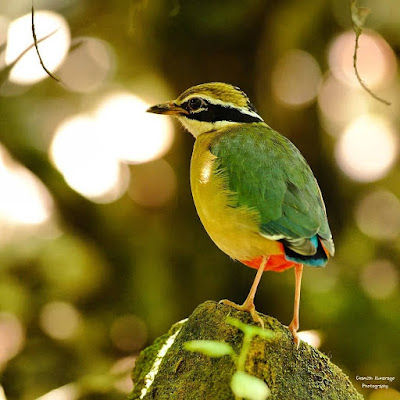
The Makini philosophy revolves around the conservation and improvement of a balanced ecosystem, which includes all flora and fauna, in and around the camp. We have already commenced several conservation projects aimed at identifying habitats of different avian and mammalian species within the campsite. It is equally important to collect as much data as possible to measure the success of our conservation activities pre and post implementation. This includes observations and indicators documented under varying conditions and seasons. The first such initiative was a bird species and number count, done within a 4-hour period within the camp and surrounding areas. Bird Count Counting individual birds we see is a daunting task, but it can give valuable information on population density and causes that would grow or shrink the bird population. These changes may indicate shifts in climate change, habitat loss, pollution levels, migration timing, and more. Accuracy of the figures and taking the...

Elephants in Sri Lanka, why they're important?

Image
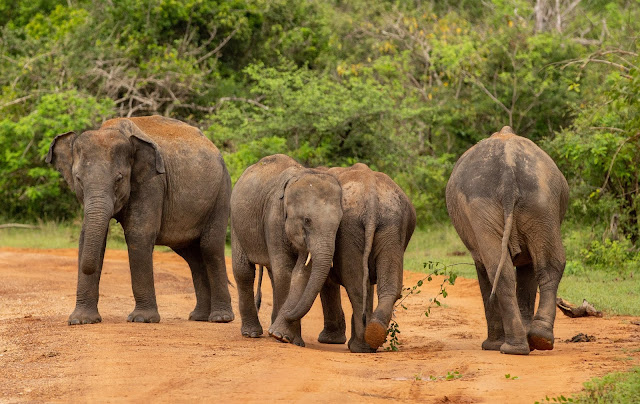
The Sri Lankan elephant (Elephas maximus maximus) is one of three recognized subspecies of the Asian elephant, that's native to Sri Lanka. They're spread across almost every part of the country from the dry low lands to mountains and rainforests. Though they live all over the island, Minneriya, Kaudulla and Udawalawa national parks give ample opportunities to see and photograph Sri Lankan Elephants in large herds. Elephants eat almost every part of the tree and have a particular interest in aquatic plants like Lotus and Water Lillies. They eat up to 150-200 kilograms of vegetation every day. Sri Lankan Elephants are considered as the most intelligent elephant variety. They have 90% of the brain developed when they are born and can adapt to any environment in no time. Elephants, in general, are known to be led by the matriarch because the eldest (female) elephant, the most experienced one in a herd knows where to find water at different times of the year. However, if you take Sr...